Latest Blogs
Stay updated with our latest blog posts.
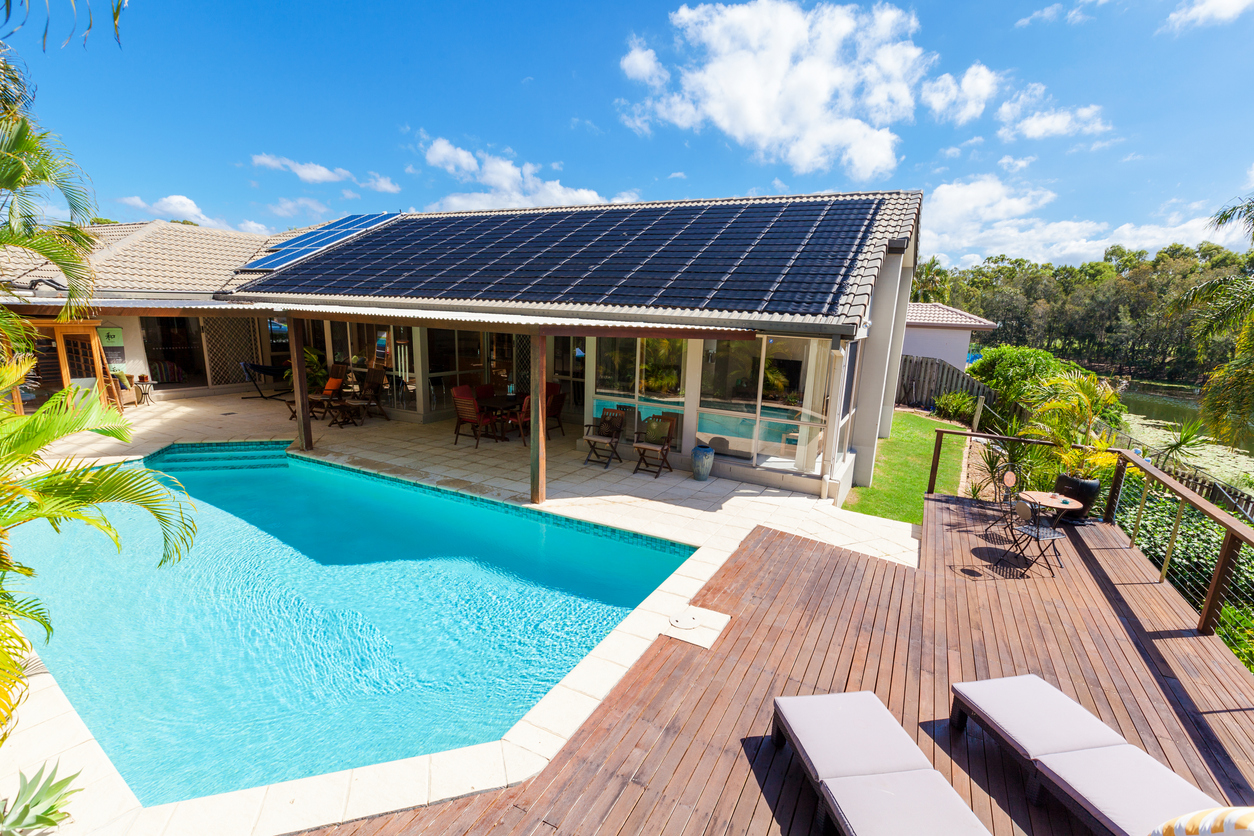
Solar pool heaters use rooftop or ground-mounted collectors to capture sunlight and pass that heat into your pool via a circulating plumbing loop and pump. This guide shows practical, easy-to-follow steps—routine inspections, safe cleaning, and timely repairs—that keep your system efficient, lower operating costs, and extend service life. Many homeowners only notice problems after heat output drops or a controller fault appears; learning basic checks and when to call a pro prevents those surprises. You’ll get a clear inspection cadence, safe cleaning methods, step-by-step troubleshooting for leaks and pump/controller faults, 2025 repair-cost benchmarks, and Southwest Florida seasonal tips that address coastal pollen, salt, and storm exposure. Each H2 below breaks the topic into hands-on tasks, diagnostic guidance, and straightforward action steps so you can care for your solar heater confidently and call a technician only when needed.
Regular upkeep pairs simple homeowner checks with one recommended professional inspection each year to keep heat transfer efficient and plumbing leak-free. Do a visual check after storms and watch flow/pressure monthly to catch debris, stuck valves, or circulation problems early—blocked collectors and poor flow both lower heat output and increase pump wear. A predictable maintenance rhythm based on your site conditions prevents emergencies and preserves component life. The following subsections lay out a seasonal service schedule and explain how routine cleaning restores measurable efficiency.
Plan a spring startup inspection, mid-season spot checks, and pre-offseason preparation to catch issues before they escalate. In spring, confirm valve positions, run the pump and verify flow, inspect collectors and mounts for damage or looseness, and check visible piping for leaks—these steps set your season baseline. Mid-season, perform monthly visual checks for debris, monitor pressure and flow, and remove any organic film from collectors to keep heat capture steady. Before slower months, tighten fittings, review controller settings, and note any oddities for the professional inspector. This sequence reduces surprise downtime and creates a smooth annual inspection cycle.
Dust, pollen, and salt film on collectors reduce the sunlight that reaches absorber surfaces and slow thermal transfer, which directly lowers heat output. Cleaning collectors and keeping flow paths clear can restore seasonal efficiency by roughly 10–20% depending on how dirty the panels are—coastal and high-pollen locations see the biggest gains. Clean panels also reduce pump strain because they allow the system to run at designed flow rates, helping prevent premature pump wear. In short: regular cleaning improves short-term heat capture and helps components last longer by reducing mechanical stress.
Safe cleaning avoids abrasive tools, high-pressure washing, and unsafe roof practices. Abrasive scrubbing or pressure washing can puncture thin-film collectors or damage seals, and harsh chemicals may degrade materials or void warranties. Use gentle techniques that protect panel integrity while restoring thermal performance. The H3 sections below list recommended tools and a step-by-step process that emphasizes inspection, isolation of the solar loop, gentle cleaning, and a post-clean verification—always prioritize safe access.
Gather soft-bristle brushes, a non-abrasive sponge or microfiber cloth, a mild pH-neutral soap, a garden hose with a gentle spray nozzle, an extension pole for hard-to-reach collectors, and basic PPE like gloves and eye protection. Avoid pressure washers, acidic cleaners, and wire brushes that can harm absorber surfaces and seals. For rooftop systems, add ladder stabilizers and a harness or fall-arrest gear to meet safe-access best practices. The right tools make the job safer and reduce the chance of accidental damage.
This kit handles most residential cleanings while minimizing risk to collectors and people.
Start by visually inspecting collectors for cracks, loose fasteners, or heavy debris. Isolate the solar loop—close manual isolation valves or switch off the solar controller—so the pump can’t run while you work. Rinse panels with low-pressure water to lift loose dirt, apply a mild soap solution with a soft brush or sponge, clean gently using overlapping strokes to avoid focused pressure, then rinse thoroughly until no suds remain. After cleaning, restore flow and run the pump briefly while checking for leaks, verifying controller readouts, and confirming expected flow and temperature rise; log any irregularities for follow-up. Stop and call a professional if you find visible damage, persistent leaks, or unsafe rooftop access conditions.
Note: some panel types and locations need specific tools or extra safety measures—use the table below to match equipment and precautions.
Typical failures include piping or collector leaks, reduced heat output from blockages or shade, pump failures that halt circulation, and controller or sensor faults that stop normal operation. Troubleshooting starts with identifying symptoms, then isolating likely causes—check power to the pump, confirm valve positions, and inspect visible collectors and piping for wet spots or debris. A simple symptom → likely cause → homeowner check → temporary fix map helps resolve many issues quickly. The sections that follow cover leak detection and pump/controller diagnostics with practical temporary fixes and safety advice.
These quick actions contain issues and prepare the system for professional service if needed.
Spot leaks by watching pool level, noting reduced flow or pressure, looking for wet stains on roof or ground under piping, and using a dye test around suspect joints while the system runs. For accessible small leaks in pipe runs or manifolds, a rubber patch with a stainless clamp or marine-grade epoxy putty can temporarily stop water loss—but these fixes are short‑term and should be inspected soon after installation. Don’t attempt permanent roof-mounted repairs alone; document any temporary patching and schedule a professional repair to protect system integrity and warranty coverage. If you find multiple leaks or collector damage, contact a qualified technician for full leak location and repair.
Begin with safety: de-energize the system before you inspect electrical connections. Confirm power is available and check for tripped breakers or switched-off isolators that affect the pump. Listen for unusual pump noises or vibration that suggest bearing or impeller trouble, watch flow and pressure gauges for drops, and verify valve positions so the solar loop actually receives water. For controllers, review sensor readings and follow reset/diagnostic steps in the unit manual or on-panel labels. Often a controller reset and a clean sensor solve intermittent faults, but persistent electrical problems, overheating, or burnt wiring require professional electrical diagnostics. These checks separate mechanical issues from electrical ones and help decide whether to repair or monitor.
Seasonal care here focuses on coastal salt, heavy pollen, and storm risks while taking advantage of abundant sun most of the year. Even in milder climates, scheduled checks protect collectors and plumbing from corrosion and debris buildup. A professional spring startup inspection verifies pump performance, manifold seals, and controller calibration; mid-season spot checks and pre-storm securement lower hurricane-related damage risk. Below are spring/fall protocols and simple freeze precautions for the occasional cold snap.
Spring startup typically includes a system flush to clear standing water and silt, setting valve positions, a test run of the pump while monitoring pressure and temperature rise, and close inspection of mounts and piping for wear. Mid-season, do monthly visual checks for debris and salt buildup and clean collectors as needed. In fall, tighten fasteners, verify controller settings for shorter days, and record service notes and any anomalies for the annual professional inspection. Keeping a seasonal log makes communication with technicians easier and highlights recurring problems.
Seemore Services, LLC provides seasonal startup and annual inspection packages tailored to Southwest Florida—checking corrosion-prone fittings and advising on hurricane readiness. Many homeowners appreciate a professional spring startup to create a reliable baseline and ensure the system is set up for efficient seasonal operation.
Freezes are rare in Southwest Florida but cold snaps can happen. Simple precautions—draining low points, installing bypass valves, or insulating exposed plumbing—reduce freeze risk without full winterization. Regular maintenance that prevents leaks, maintains steady flow, and controls corrosion extends component life more effectively than aggressive winter work in mild climates. Keep service dates and observations on file so technicians can recommend replacements before a catastrophic failure. These low-effort steps balance local climate realities with practical system protection.

Maximize efficiency by matching circulation and run times to sun availability, siting panels to avoid shade, and using a pool cover to cut overnight heat loss. Those steps reduce required run-time and lower wear on components. Correct flow rates let collectors exchange heat without overworking the pump, and running the system during peak sun captures the most energy per pump-hour. The H3s below explain best practices for circulation, panel placement, and how covers combined with routine maintenance produce steady seasonal gains.
Run the solar loop during peak sun—late morning to mid-afternoon in Southwest Florida—to get the most heat per pump-hour, and avoid running 24/7 unless needed for circulation. Set flow so collectors stay fully wet without creating noise or cavitation; consult pump flow curves or note baseline pressure to find the sweet spot. Place panels where they get full sun most of the day, minimize shade from trees or structures, and orient arrays to capture the broadest solar window rather than optimizing for a single low-angle moment. These steps keep efficiency high and reduce system strain.
A pool cover cuts overnight heat loss and evaporation so captured solar heat stays in the pool, reducing the heater’s daily workload—covers can preserve several degrees overnight. Regular maintenance—cleaning collectors, checking for leaks, and keeping flow correct—prevents gradual performance loss from fouling and wear that otherwise forces longer pump runs. A well-kept collector array plus consistent cover use yields steady temperature gains across the season, reduces pump hours, and extends mechanical life. Use both tactics together for the best long-term return.
These combined measures improve season-long performance and cut down on repairs.
Simple, consistent care keeps your solar pool heater efficient, lowers operating costs, and extends its life so you can enjoy warm water with fewer surprises. Regular cleaning, routine checks, and a yearly professional inspection prevent most common failures. If you’d like expert help or a regional inspection tailored to Southwest Florida conditions, contact a Seemore Services to set up service and get a written plan for repairs and seasonal care.