google icon
4.9
star iconstar iconstar iconstar iconstar icon
Based on 1894 reviews
house icon
Your Trusted Partner for Home Services
Reliable solutions for all your home needs.
cross icon | See More Services

Electric vs. Solar Pool Heaters: A Comprehensive Comparison

Design Element | See More Services

Electric vs. Solar Pool Heaters — A Clear, Practical Guide for Southwest Florida Homeowners

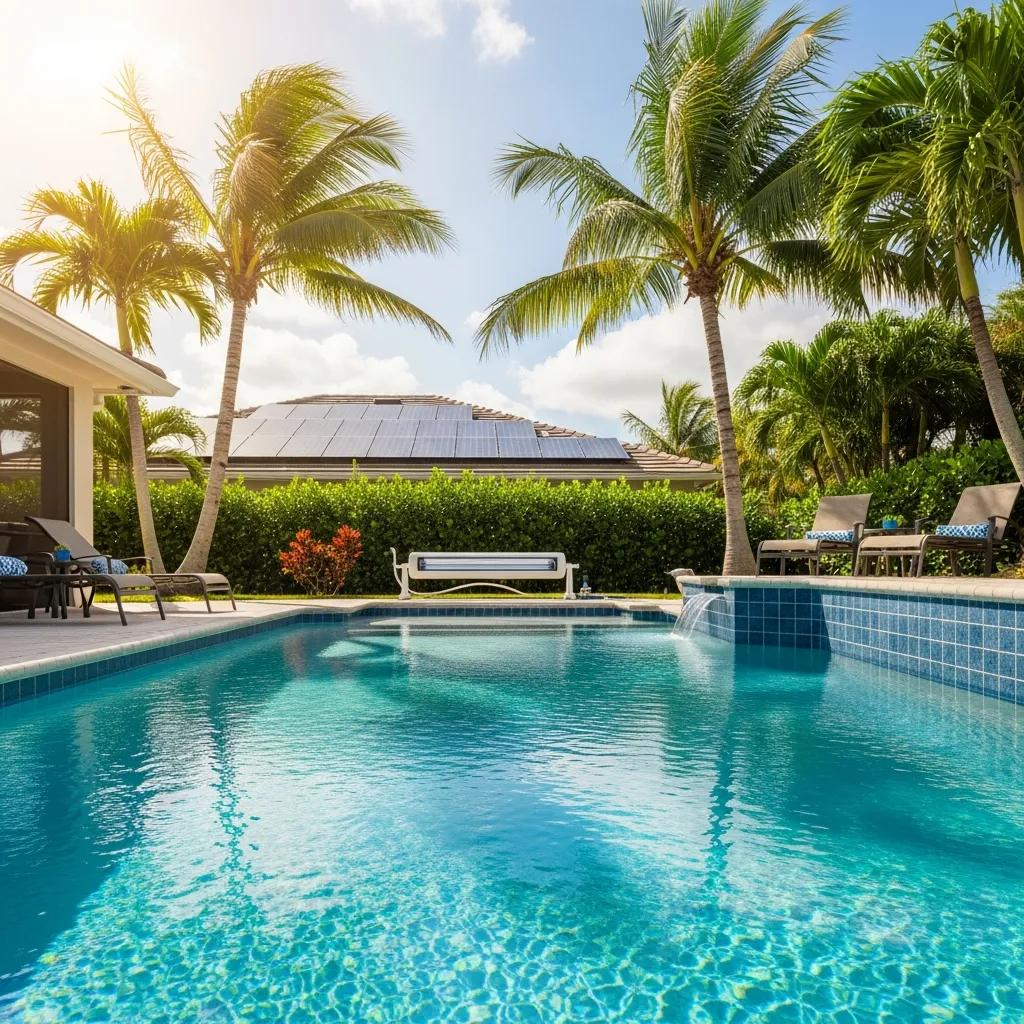
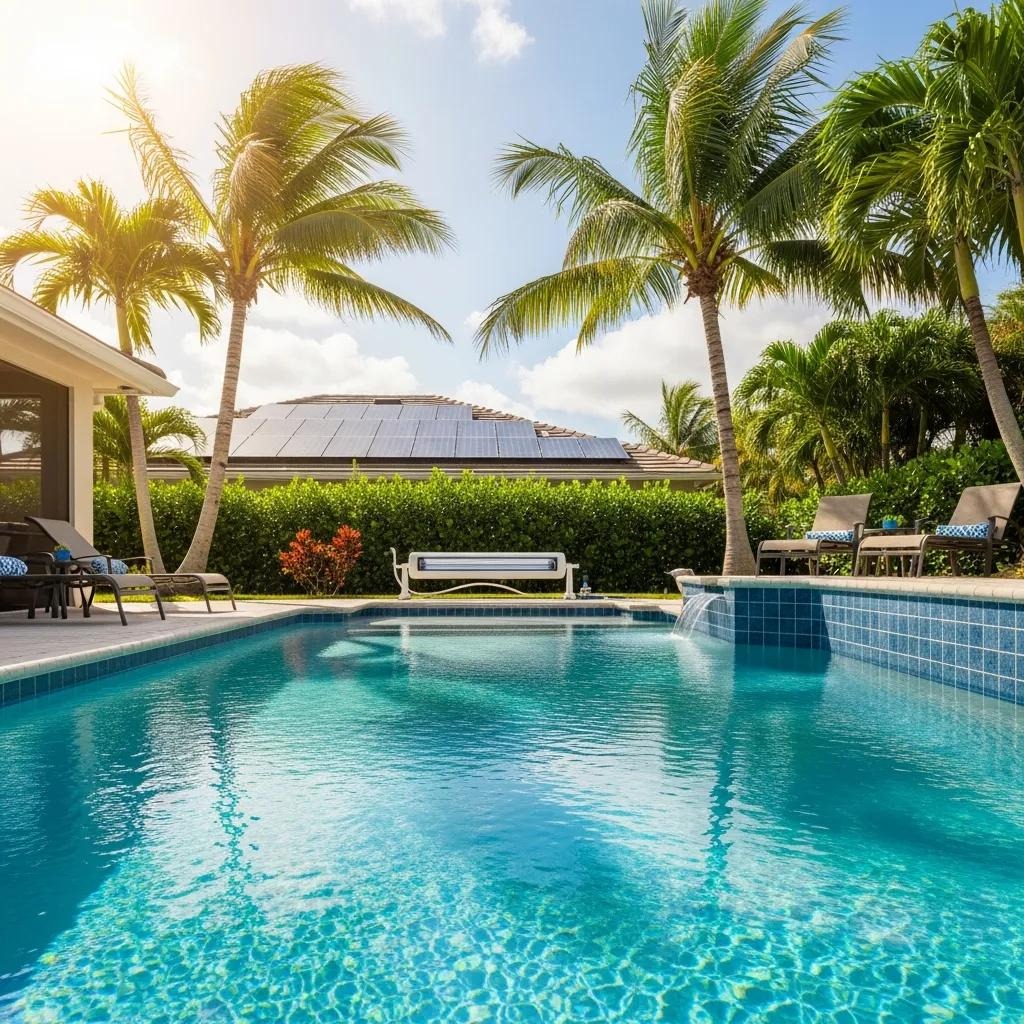
Sunny Southwest Florida backyard pool with both electric and solar heating options

Choosing the right pool heater matters here in Southwest Florida. Local weather, utility rates, and how you use the pool all shape comfort and cost. This guide walks through the pros and cons of electric and solar pool heaters so you can choose with confidence. We’ll explain what drives heating costs, compare systems side‑by‑side, and cover hybrid options plus simple maintenance tips to keep your heater running smoothly.

As you read, think about how often you swim, whether you want guaranteed warmth on short notice, and how much roof or yard space you can dedicate to solar collectors. The right heater is a balance between upfront investment, ongoing expense, convenience, and environmental priorities. This article is written for homeowners who want clear, practical advice tailored to Cape Coral, Fort Myers, and nearby Southwest Florida communities.

Why Are Energy Costs Rising for Pool Heating in Southwest Florida?

Heating a pool in Southwest Florida has become more expensive for a few reasons. Knowing what’s behind those increases helps you pick better equipment and run it smarter.

Beyond obvious changes in utility pricing, rising costs often reflect a combination of equipment age, inefficient operation, and changing household patterns (more time at home, different schedules). Even small inefficiencies accumulate into noticeable expenses over a season: running a heater an extra hour per day or losing heat overnight because a cover is not used can add up. Understanding where losses occur makes targeted upgrades more cost‑effective than replacing an entire system.

What Factors Contribute to Inefficient Pool Heating?

Several common problems make pool heating less efficient. Watch for:

  • Outdated Equipment: Older heaters lose efficiency and break down more often, which raises your operating costs.
  • Poor Insulation: Worn or missing pool covers let heat escape, forcing heaters to run longer to hold temperature.
  • Inadequate Maintenance: Skipping routine inspections and cleanings reduces efficiency, increases energy use, and shortens equipment life.
  • Improper Sizing: Heaters that are too small run continuously and wear prematurely; over‑sized units cycle inefficiently. Correct sizing matters for performance and cost.
  • Poor Hydronic or Plumbing Layout: Long runs of exposed piping, improperly insulated lines, or valves set incorrectly let heat bleed away before it reaches the pool.
  • Control and Scheduling Issues: Running the heater at inefficient times of day or without automated controls increases runtime and energy use.

Addressing these issues can lower bills and improve comfort. A targeted inspection — checking for correct sizing, plumbing insulation, control logic, and cover condition — often yields the best return. Contact us today to learn how we can optimize your pool heater.

How Does Climate Impact Pool Heater Performance in Southwest Florida?

Southwest Florida’s climate shapes how well pool heaters perform. Humidity, mild winters, and evaporation all affect how much heat your pool keeps.

  • Humidity Effects: High humidity doesn’t typically harm electric heaters directly, but it can change evaporation and heat‑loss behavior.
  • Seasonal Variations: Even with mild winters, cooler nights and seasonal temperature dips mean heaters may run more often to keep water comfortable.
  • Best Practices: Change settings seasonally and use a quality pool cover to cut evaporation and retain heat.

Microclimates matter. Pools exposed to wind, located near water, or surrounded by little vegetation lose heat faster than sheltered pools. Likewise, roof orientation and shading influence solar collection potential. When evaluating heaters, consider both macro climate (regional averages) and the specific conditions of your yard or roof. Reach out and we’ll discuss options that suit your property and schedule.

What Are the Advantages and Disadvantages of Electric Pool Heaters?

How Efficient Are Electric Pool Heaters in Florida’s Climate?

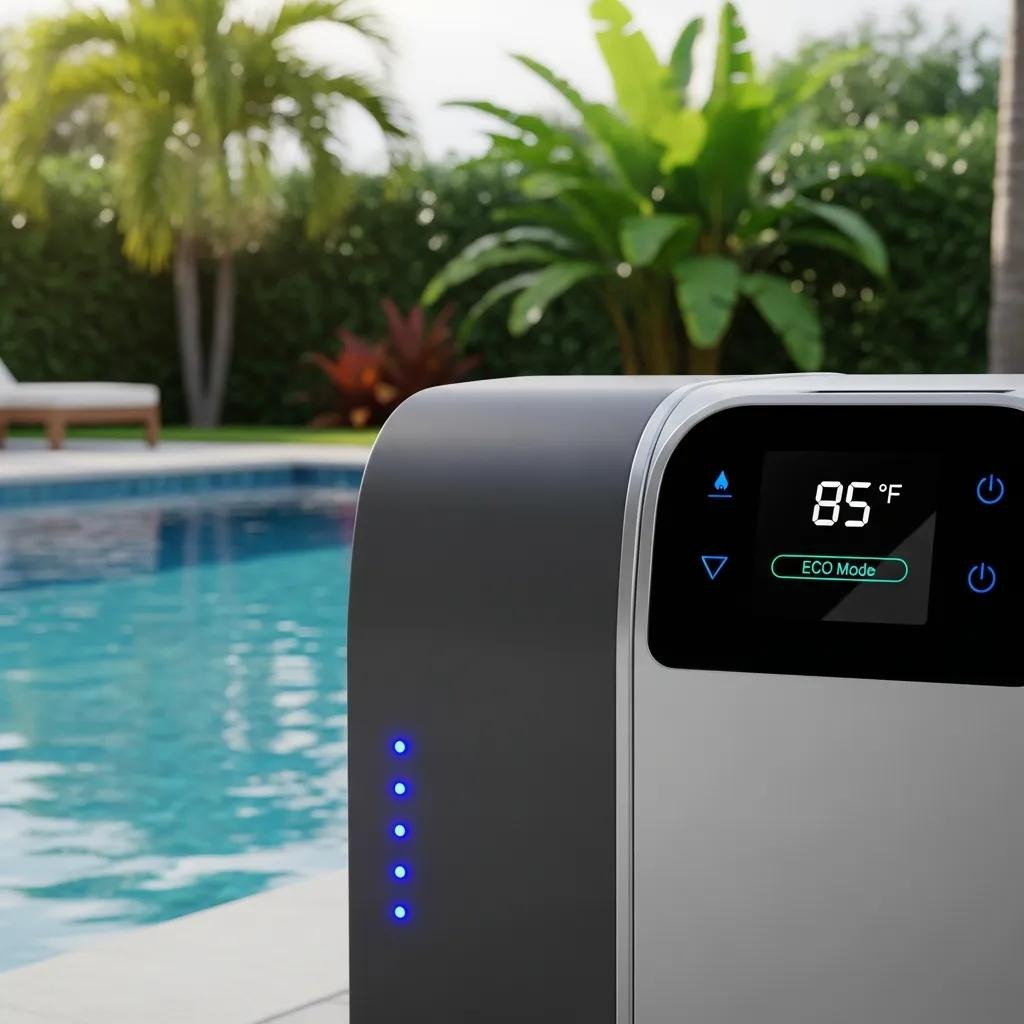
Modern electric pool heater next to a well-kept Florida pool

Electric heaters are popular because they heat quickly and reliably. Real‑world efficiency depends on the technology—resistance heaters work differently than heat pumps—and on ambient temperatures.

  • Efficiency Ratings: Electric resistance heaters convert nearly all electrical energy to heat (about 95%). Heat pump pool heaters, which are common here, have a COP around 3 to 5—meaning they deliver 3–5 times the heat for each unit of electricity used.
  • Climate Impact: In Florida’s warm climate, heat pumps run efficiently most of the year. Their efficiency drops when air temperatures fall near or below 50°F.
  • Comparison with Other Methods: Electric options usually cost more to run than solar systems, especially when electricity rates are high.

There are additional practical considerations for electric systems beyond thermodynamics. Heat pumps require adequate airflow around the unit and are often installed outdoors on pads; noise can be a factor for placement near living spaces. Electric resistance heaters are compact and simple but carry higher operating costs. For any electric option, attention to electrical service capacity, breaker sizing, and safe wiring are important during installation.

These points will help you choose the right electric heater. During a site visit we review unit placement, expected noise, and electrical requirements so you can compare long‑term operating costs and comfort. Contact us and we’ll review models to find the best match for your pool.

What Are the Typical Operating and Installation Costs for Electric Pool Heaters?

Look at both upfront and ongoing costs when considering electric pool heaters.

  • Installation Costs: Installing an electric heat pump pool heater typically requires a moderate investment, varying with unit size and installation details.
  • Ongoing Energy Expenses: Plan for ongoing energy expenses that can be significant annually, depending on pool size, usage frequency, and local rates.
  • Total Cost of Ownership: Over time, electric heaters can be pricier to operate than solar systems, especially where electricity is costly.

Installation costs can vary with site complexity. If your property needs electrical upgrades, a concrete pad, or extra plumbing work, that will affect the total price. Permits and inspections can add time and cost, so a professional quote will list these items. Consider warranty coverage and expected maintenance — timely filter cleanings, checking refrigerant lines on heat pumps, and annual inspections help protect your investment.

We’ll provide a customized cost estimate based on your pool and usage—schedule a consultation to get started.

How Do Solar Pool Heaters Benefit Florida Homeowners?

What Environmental Advantages Do Solar Pool Heaters Offer?

Solar pool heaters use the sun’s free energy, making them one of the most environmentally friendly choices for pool heating.

  • Reduction in Greenhouse Gas Emissions: Solar systems produce less carbon emissions than electric heaters that rely on grid power.
  • Sustainability of Solar Energy: After installation, solar energy is essentially free, which lowers long‑term operating costs.
  • Long-Term Environmental Impact: Choosing solar supports cleaner energy use and aligns with eco‑minded home improvements.

Solar collectors are simple technology: pool water is routed through panels that sit in sun‑exposed locations. For best results, panels should face unshaded southern or western exposure when possible. Roof angle, shading from trees or nearby structures, and available surface area all affect system size and performance. Solar works particularly well for homeowners who can plan use around daytime warmth or who maintain a pool temperature moderately above ambient.

What Are the Installation Costs and Lifespan of Solar Pool Heaters in Cape Coral?

Know the costs and expected service life before investing in solar pool heating.

  • Typical Installation Costs: In Cape Coral, solar pool heater installations commonly require a moderate to significant upfront investment, depending on system size, roof type, and installation specifics.
  • Expected Lifespan: Solar pool heaters often last 15 to 20 years with proper care.
  • Maintenance Needs: Solar systems usually need less day‑to‑day upkeep than many electric units, but panels should be cleaned and inspected regularly to keep performance high.

Installation factors to consider include roof condition (panels are mounted or installed on racks), plumbing run length from pool equipment to roof, and structural access. Panels and collectors are durable, but occasional repairs — such as replacing a damaged panel or repairing seals — extend life. Routine inspections ensure mounting hardware remains secure and plumbing connections are leak‑free.

We handle professional installation and maintenance services to extend system life. Contact us to schedule a consultation.

How Do Electric and Solar Pool Heaters Compare Side-by-Side?

Seeing electric and solar systems side‑by‑side makes it easier to match a heater to your needs.

What Are the Key Differences in Heating Speed, Cost, and Efficiency?

FeatureElectric Pool HeatersSolar Pool Heaters
Heating SpeedFast (1-3 hours)Slower (4-8 hours, depending on sunlight)
Initial CostModerateModerate to Significant
Annual Operating CostSignificantMinimal (mostly maintenance)
Lifespan8-12 years15-20 years
Environmental ImpactHigher emissions (depending on electricity source)Eco-friendly

Use this table to weigh what matters most—speed, upfront cost, or long‑term savings—and we’ll help you choose the system that fits your lifestyle and budget.

Beyond those headline differences, think about installation footprint (space for collectors vs. space for the outdoor unit), routine maintenance preferences, and the times of day you typically use the pool. If you prefer quick, reliable warming late in the evening, electric options provide predictable performance. If you are content to plan swims during warmer daylight hours and want minimal ongoing cost, solar performs well in our region.

Which Pool Heater Is Best Suited for Different Usage Patterns?

How you use the pool plays a big role in the best heater choice.

  • Frequent Users: If you swim often or need heat on short notice, electric heaters deliver quick, dependable warmth.
  • Occasional Use: Solar systems suit planned use and offer very low ongoing costs when you can rely on daytime warming.
  • Families vs. Individuals: Families wanting immediate access may prefer electric heaters; single users or those with flexible schedules often do fine with solar.

Consider also the timing of use: evening swimmers value speed and consistency that electric systems offer, while daytime users gain the greatest benefit from solar heat. If your household has a mix of needs, a hybrid approach or careful scheduling with an automated control can bridge the gap and reduce total energy use.

We’ll evaluate your usage and recommend the right system—schedule a consultation with our team today.

What Are Hybrid Pool Heating Systems and Their Benefits?

How Do Hybrid Systems Combine Electric and Solar Technologies?

Hybrid systems pair solar and electric heating to give steady temperatures while cutting overall energy use.

  • Mechanism of Operation: Hybrids use solar heating first and switch to electric backup when solar output can’t meet demand.
  • Advantages of Dual Systems: Combining technologies maintains steady temperatures with reduced fuel use and lower emissions.
  • User Control and Efficiency: You can prioritize solar on sunny days and rely on electric power when you need guaranteed heat.

Control logic is key in hybrids. Properly conpd controllers monitor pool and air temperatures and activate the backup heater only when needed. This reduces runtime for the electric unit and extends equipment life while ensuring the pool remains comfortable even on cloudy days or during extended cool spells.

Is a Hybrid Pool Heater the Right Choice for Your Southwest Florida Home?

Choosing a hybrid system depends on your pool use, local weather, energy costs, and budget.

  • Factors to Consider: Look at how often you use the pool, seasonal weather patterns, and your energy budget to decide if a hybrid makes sense.
  • Cost vs. Benefit Analysis: Hybrids cost more up front but can deliver long‑term savings and more consistent comfort.
  • Long-Term Savings Potential: Combining solar with electric backup can lower overall heating costs over time.

For families that swim year‑round but want to control operating expenses, hybrids are often a solid compromise. They require a larger initial investment than a single system, but they reduce reliance on grid electricity without sacrificing comfort when you need immediate heat. We’ll run the numbers with you to find the best long‑term solution—contact us for a personalized assessment.

How Can You Maximize Pool Heater Efficiency and Reduce Costs?

What Maintenance Is Required for Electric vs. Solar Pool Heaters?

Routine maintenance keeps any heater efficient and avoids costly repairs.

  • Routine Checks for Electric Heaters: Inspect electrical connections, clean filters, and check for leaks at least once a year to preserve performance.
  • Maintenance for Solar Systems: Keep panels clean and inspect for damage so they absorb sunlight at peak levels and last longer.
  • Cost Implications of Neglecting Maintenance: Skipping upkeep leads to inefficiency, higher energy bills, and earlier replacement.

Practical maintenance checklist items include: confirming pump and filter are sized and operating correctly, clearing debris from skimmers and intakes, ensuring valves direct flow properly through collectors when needed, and checking seals and mounting hardware for solar panels. For electric units, keep the surrounding area clear for airflow, check refrigerant pressure on heat pumps if performance declines, and verify electrical safety features.

We provide full maintenance services to keep your heater efficient—schedule your appointment today.

What Tips and Technologies Improve Pool Heating Efficiency?

Small changes and smart tech can make a big difference in your heating bill.

  • Smart Technology for Pool Heating: Automated controls and smart thermostats optimize run times around your schedule and local weather.
  • Energy-Efficient Practices: Use a good pool cover and maintain proper water level to reduce evaporation and heat loss.
  • Innovative Solutions for Heat Retention: Thermal blankets and windbreaks help retain warmth and cut energy use.

Additional efficiency strategies include installing variable‑speed pumps, which reduce circulation energy and allow the heater to operate under optimal flow, and insulating visible piping to reduce thermal loss between the heater and the pool. Programming your heater to run during the warmest part of the day when solar gain is highest or when utility rates are lower yields measurable savings. We can help integrate smart controllers and set schedules tailored to your routine.

Why Choose Seemore Services, LLC for Your Pool Heating Needs in Southwest Florida?

What Experience and Certifications Support Our Pool Heater Services?

Seemore Services, LLC brings local experience and trained technicians to every job, so you get reliable, professional service.

  • Years of Experience: Since 1974, our team has served Southwest Florida with pool heating and care designed for the region’s climate.
  • Certifications Held by Technicians: Our technicians are certified and trained to install and repair both electric and solar pool heaters.
  • Commitment to Quality Service: We focus on durable solutions and your satisfaction on every project.

We combine hands‑on experience with manufacturer training and local knowledge. That means faster, more accurate assessments, straightforward explanations of options, and installations performed to local code. Our technicians walk customers through expected timelines, warranty details, and routine maintenance tasks so you know what to expect after the work is done.

Trust our experience to keep your pool comfortable year‑round. Contact us today to schedule service.

How Can You Access Financing and Schedule Installation or Repair?

We offer flexible financing and easy scheduling to make upgrades and repairs manageable.

  • Available Financing Plans: Choose from financing options designed to fit different budgets and make improvements more affordable.
  • How to Schedule Services: Call or book online to arrange installation or repair with our team.
  • Contact Information for Inquiries: For more information, please reach out to us at (239) 427-8579.

During a typical consultation we assess the pool volume, current equipment condition, roof or yard suitability for solar, and electrical capacity for electric heaters. From that site survey we produce a written proposal with options, estimated timelines, and maintenance recommendations. If financing is needed, we outline available plans and the application process so you can move forward with confidence.

Ready to move forward? Contact us today and we’ll help you take the next step toward efficient pool heating.

Which Is More Cost-Effective: Electric or Solar Pool Heating?

Solar usually wins on long‑term cost because the sun provides free energy after installation. Electric heaters can be cheaper up front but often cost more to operate over time.

That said, "cost‑effective" depends on your priorities. If you value convenience and predictable warm water every evening, the higher operating cost of electric may be worth it. If your priority is minimizing ongoing bills and you can plan swims to take advantage of daytime warming, solar is typically the better long‑term value. Hybrid systems aim to capture both advantages by using solar first and electric backup as needed.How Long Do Solar Pool Heaters Last Compared to Electric Models?

With proper care, solar pool heaters often last 15–20 years. Electric models, especially heat pumps, typically last about 8–12 years, so solar can be the longer‑lasting investment in many cases.

Longevity depends on installation quality and maintenance. Regular inspections, keeping panels or units clear of debris, and addressing small issues promptly preserve life expectancy. When comparing systems, consider expected service life alongside warranties and the anticipated maintenance schedule to calculate realistic lifecycle costs for your property.

Conclusion

The pool heater you choose affects comfort, convenience, and long‑term cost. Electric heaters give fast, reliable warmth; solar systems offer low operating costs and a smaller environmental footprint; hybrid setups combine the benefits of both. With the right information, you can pick the option that fits your home and budget. Contact us today for a personalized recommendation to keep your pool warm and inviting year‑round.

Customer Testimonials

Star Icon | See More ServicesStar Icon | See More ServicesStar Icon | See More ServicesStar Icon | See More ServicesStar Icon | See More Services
Not only did Jesse fix our problem inside of 30 minutes he took the time to review preventive measures with me. A real pro!
Fred K.
Star Icon | See More ServicesStar Icon | See More ServicesStar Icon | See More ServicesStar Icon | See More ServicesStar Icon | See More Services
Jesse did a great job diagnosing and fixing my solar heat problem. He was professional and courteous. Glad we’re up and running again!
Jane H.
Star Icon | See More ServicesStar Icon | See More ServicesStar Icon | See More ServicesStar Icon | See More ServicesStar Icon | See More Services
The technician you sent out to us, Jesse, was extremely polite and was able to plug the solar panels that were leaking. He is an asset to your company.
Joy E.
Star Icon | See More ServicesStar Icon | See More ServicesStar Icon | See More ServicesStar Icon | See More ServicesStar Icon | See More Services
Service was outstanding. They actually moved up my appointment. On time,  and extremely professional. I highly recommend them for any of their services
Curtis C.
Star Icon | See More ServicesStar Icon | See More ServicesStar Icon | See More ServicesStar Icon | See More ServicesStar Icon | See More Services
Cody was great. Efficient and timely. However I cannot rate the efficacy of the work done until some time passes with the system running again.
CB
Star Icon | See More ServicesStar Icon | See More ServicesStar Icon | See More ServicesStar Icon | See More ServicesStar Icon | See More Services
Cody the installer was polite and professional. Installation went well. System is functioning properly now.
John M.
Star Icon | See More ServicesStar Icon | See More ServicesStar Icon | See More ServicesStar Icon | See More ServicesStar Icon | See More Services
Theo was very professional and did an excellent job installing pool solar panels on my roof .  Highly recommend!
Thomas B.
Star Icon | See More ServicesStar Icon | See More ServicesStar Icon | See More ServicesStar Icon | See More ServicesStar Icon | See More Services
Did a great job, replacing leaking o-rings on the valve.  offered some advise since I am new to solar heating.  advised me and answered all my questions.
Larry L.
Star Icon | See More ServicesStar Icon | See More ServicesStar Icon | See More ServicesStar Icon | See More ServicesStar Icon | See More Services
The gentleman who removed my solar panels was prompt and courteous.  The company was clear about services offered and the terms of the agreement.
Jeanine C.
previous icon | See More Services
Next Icon | See More Services
Files | See More Services

Latest Blogs

Stay updated with our latest blog posts.
Electric vs. Solar Pool Heaters: A Comprehensive Comparison

Electric vs. Solar Pool Heaters: A Comprehensive Comparison

Uncover the key differences between electric and solar pool heaters. Make an informed choice for energy efficiency and optimal heating for your pool.
Pool Winterization Guide for Southwest Florida

Pool Winterization Guide for Southwest Florida

Learn the essential steps for winterizing your pool in Southwest Florida. Protect your investment and ensure a hassle-free swimming season next year!
How Often to Vacuum Your Pool: Expert Cleaning Schedule Tips

How Often to Vacuum Your Pool: Expert Cleaning Schedule Tips

Keep your pool sparkling clean with our expert tips on how often to vacuum. Learn the ideal pool cleaning schedule for a pristine swimming environment!
View All