Latest Blogs
Stay updated with our latest blog posts.
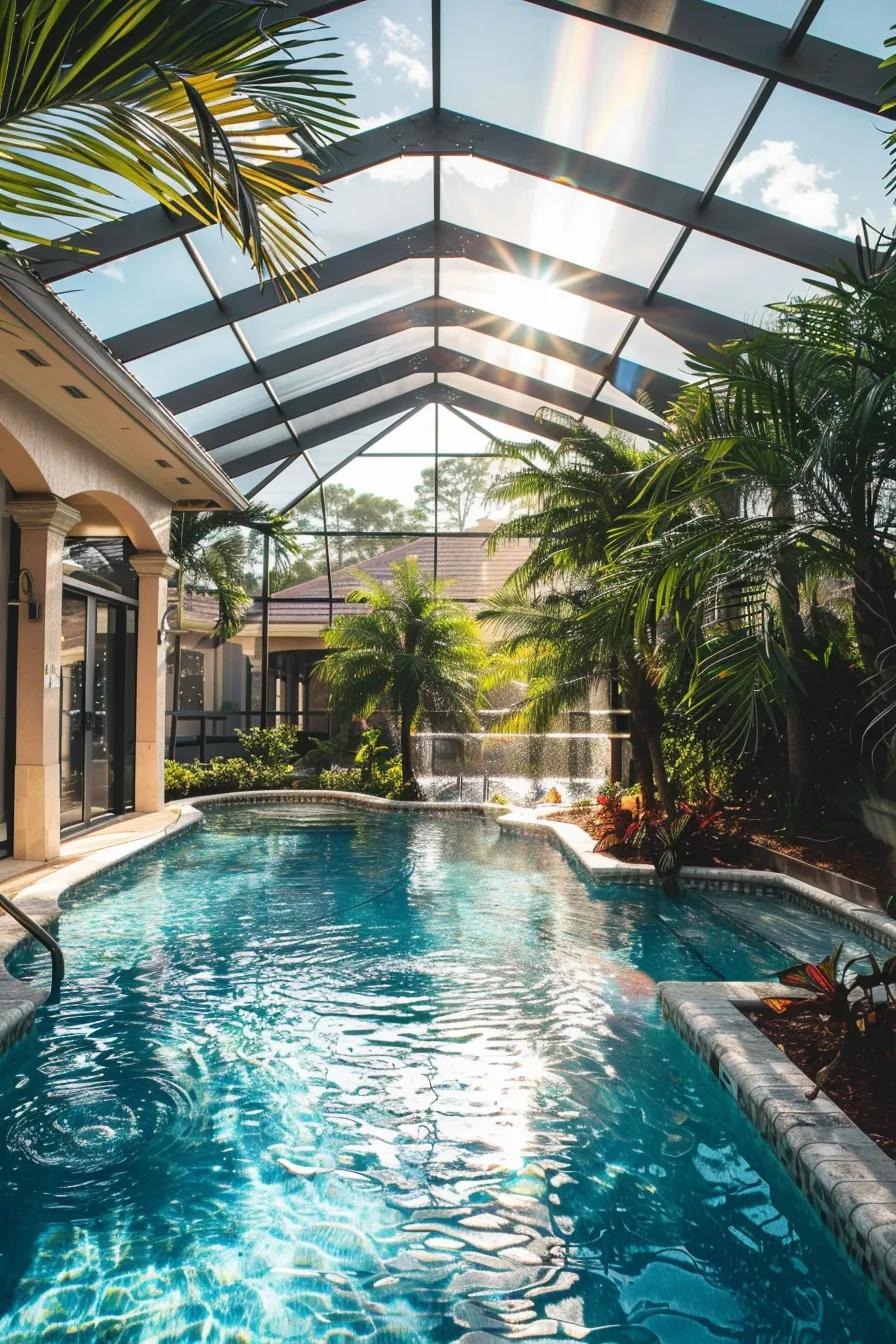
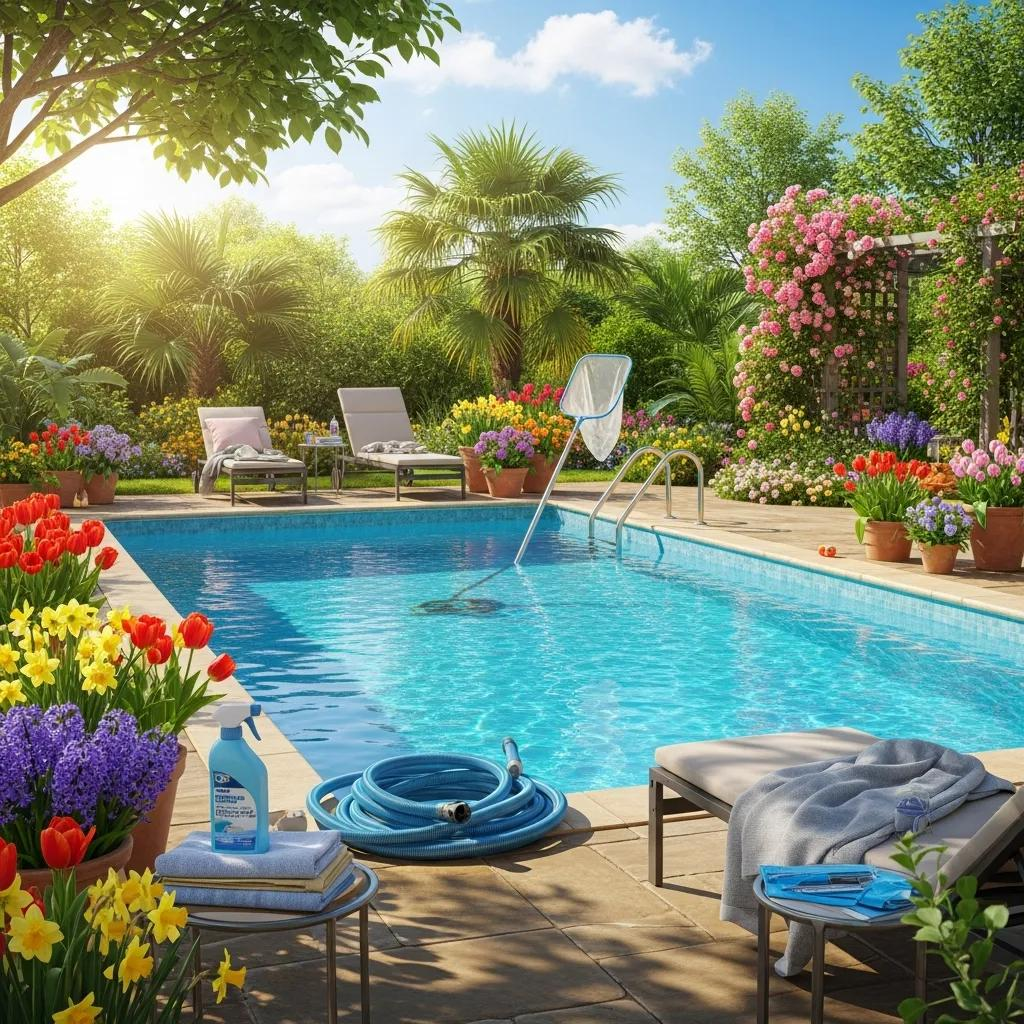
Protecting your pool during the cooler months keeps it looking good and helps you avoid costly repairs. Even with Southwest Florida’s mild winters, temperature swings and extra debris can cause issues if you don’t prepare. This guide walks through practical, easy-to-follow steps to winterize your pool — from routineroutine cleaning, to chemical balancing, to equipment checks. We also cover solar heater care and how to book professional help when you want a hands-off option.
Most homeowners here find late November to early December works best. Temperatures dip and the rainy season eases up — a good window to clean, balance chemicals, and service equipment before the coolest weeks arrive. This timing helps ensure your pool is well-prepared for any unexpected cold snaps that might occur.
Winters are mild, but cold fronts do occur. Watch local forecasts: when nighttime lows regularly fall below 50°F, it’s a good time to start winterizing. Also plan around the end of the rainy season (usually late October to early November) so you’re not battling extra leaves and storm runoff.
Let local weather guide your timing; regional climate data helps put long-term patterns in context. Paying attention to daily forecasts and seasonal trends is crucial for effective pool maintenance. This proactive approach ensures you're always ahead of potential issues.
Using climate information can help fine-tune your maintenance schedule, even across different regions. Understanding local weather patterns allows for more precise planning of tasks like cleaning and chemical adjustments. This strategic approach minimizes effort while maximizing protection for your pool.
Look for a few clear signs: falling water temperatures, more leaves and debris in the pool, or early algae and cloudiness. Any of these means it’s time to act so small issues don’t grow over the season.
A clear, ordered approach prevents damage and keeps your pool ready to reopen. Follow these steps to cover cleaning, chemicals, and equipment. By systematically addressing each aspect, you ensure comprehensive protection for your pool system throughout the cooler months.
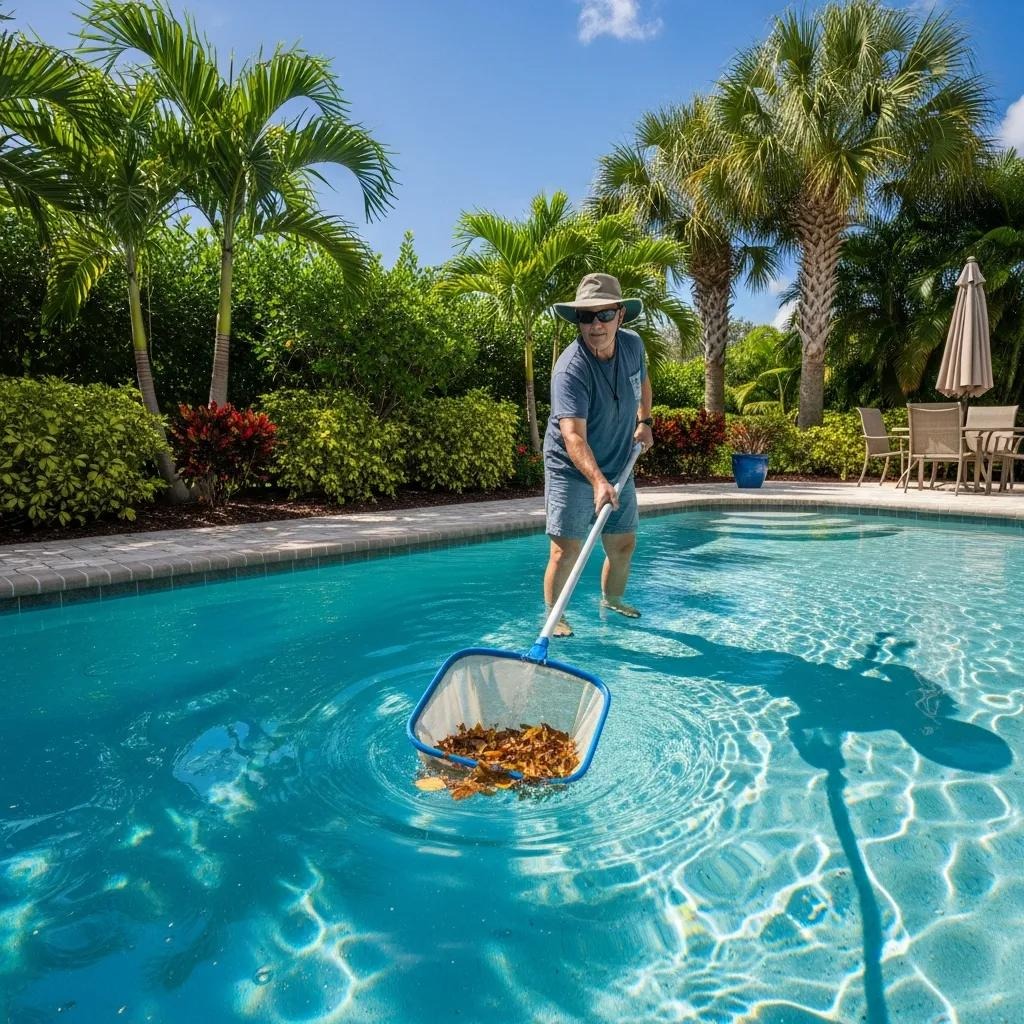
Begin by skimming the surface and removing leaves, then vacuum the pool floor. Backwash or clean the filter and empty all skimmer baskets. Lower the water about 4–6 inches below the skimmer to protect equipment — in our area you typically don’t need to drop it much lower because freezing is rare.
Inspect and clean the pool pump, heater, and filter. Look for leaks, cracked fittings, or worn plumbing. If you have a solar pool heater, drain or winterize lines where recommended — a quick check now can prevent costly repairs later. Regular maintenance extends the life of your equipment.
Keeping water chemistry stable through winter prevents algae, staining, and equipment damage. A short testing routine before and during the off-season makes a big difference. Consistent monitoring helps maintain optimal conditions, ensuring your pool remains pristine and healthy.
Keep free chlorine around 1–3 ppm to deter algae. Consider an algaecide for extra protection, or use a winterizing kit (algaecide + clarifier) for a simple, all-in-one solution to help keep water clear. These chemical treatments are vital for preventing unsightly growth and maintaining water quality during the dormant season.
Always test first with a reliable pool kit. Target pH between 7.2 and 7.6 and total alkalinity 80–120 ppm. Once balanced, follow manufacturer directions when adding winter chemicals. Recheck chemistry periodically through the season to avoid surprises.
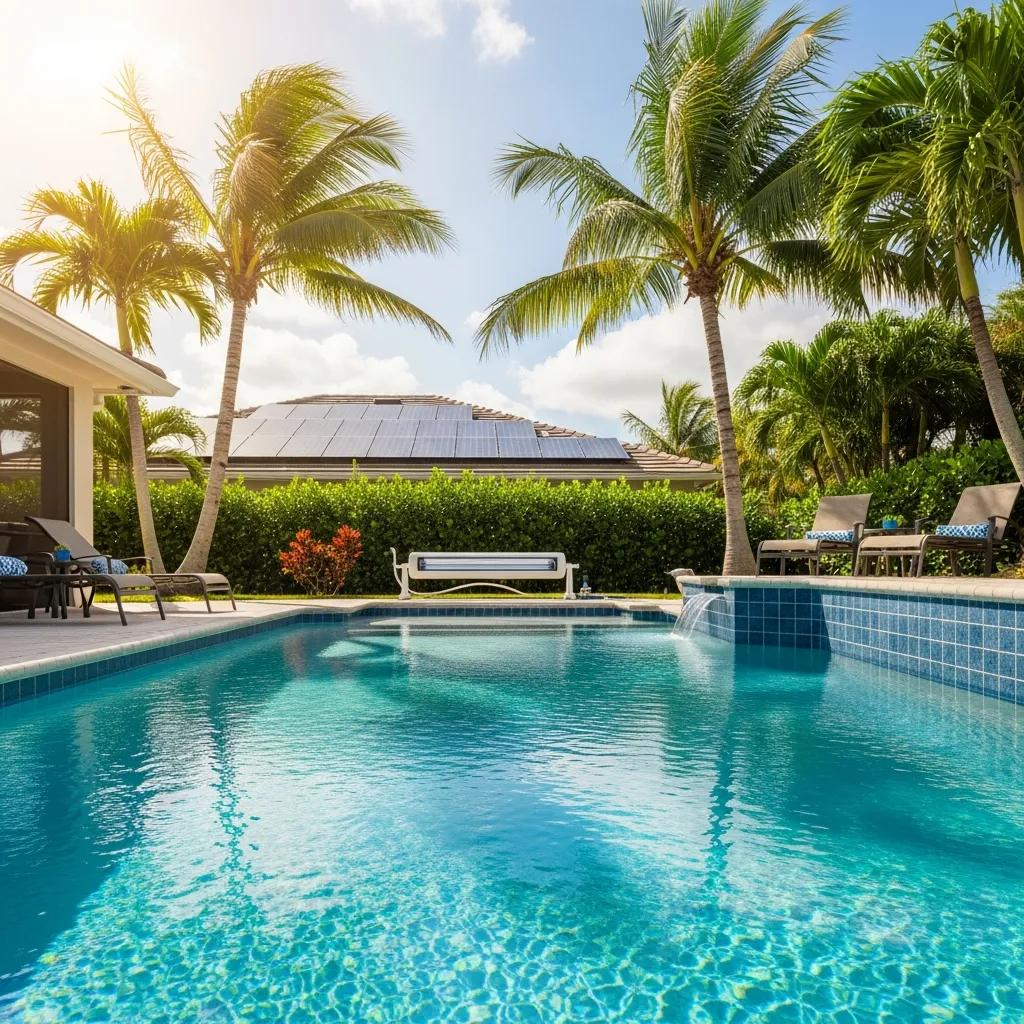
Caring for solar pool heaters in winter protects panels and plumbing so the system is ready when warmer weather returns. Proper winterization prevents potential damage from cold temperatures and ensures efficient operation when you're ready to heat your pool again. This proactive maintenance extends the lifespan of your solar heating system.
If water freezes inside panels or lines, it can crack and leak — leading to costly repairs. Even in our mild winters, a quick check protects your investment and keeps the heater working efficiently. Taking these precautions ensures your solar heater remains functional and avoids unexpected expenses.
Historical analyses of solar energy use in South Florida highlight why regular solar heater maintenance matters. These studies underscore the importance of consistent care to maximize efficiency and longevity of solar systems. Understanding past trends helps inform best practices for current and future solar heater owners.
If freezing is forecast, drain water from panels, pipes, and the pump. Inspect for wear or damage andmake any needed repairs. Covering panels with a tarp during storms helps keep debris off. Periodic checks over winter keep the system ready for spring.
Prefer to leave winterizing to the pros? Local technicians can handle cleaning, chemical balancing, and equipment prep quickly and correctly. Professional services offer peace of mind, ensuring all aspects of winterization are managed expertly. This allows you to enjoy a hassle-free off-season without worrying about your pool.
Seemore Services LLC provides full winterization packages tailored for Southwest Florida pools: thorough cleaning, chemical balancing, equipment inspection and service, plus solar heater care. We customize the work to your pool so you get reliable protection without the guesswork. Our experienced team ensures every detail is covered, giving you confidence in your pool's readiness for the cooler months.
Booking is simple — justcontact Seemore Services LLC to discuss your pool and set an appointment. We recommend booking early in the season to secure a convenient slot and finish work before the coldest weather arrives. This ensures your pool receives timely attention and is fully protected throughout the winter season.
These quick answers cover the basics homeowners ask most so you can make the right call. Understanding these common concerns helps you prepare effectively for the cooler months. We aim to provide clear, concise information to guide your winterization decisions.
Here are the top questions we hear:
These questions reflect common concerns: protecting your pool and avoiding unexpected repair costs. Homeowners frequently seek advice on how to best safeguard their investment during the off-season. Addressing these points helps ensure a smooth and cost-effective winter for your pool.
Typical issues include off-balance chemistry, equipment glitches, and debris buildup. Check water chemistry and equipment periodically through winter. If something seems off, call a professional — a quick fix now prevents bigger problems later.
Winterizing your Southwest Florida pool the right way preserves its condition and reduces repair costs. Follow the cleaning, chemical, and equipment steps above, or let a local pro handle it for a worry-free season. Protect your investment — and contact our team when you’re ready to schedule expert winterization.
Winterizing your pool in Southwest Florida keeps it looking great and lowers the chance of costly repairs. Follow the steps for cleaning, chemical balancing, and equipment checks to keep your pool in top shape all season. If you prefer a hassle-free option, our professional team can manage everything. Protect your investment and enjoy peace of mind by scheduling your winterization today.