Optimizing Pool Filtration Systems for Clear Water
Optimizing Pool Filtration Systems for Clear Water
Maintaining clear water in your pool is essential for both aesthetic appeal and health safety. A well-optimized pool filtration system plays a crucial role in achieving this clarity by effectively removing debris, contaminants, and microorganisms. This article will delve into the various types of pool filters, their maintenance requirements, and effective cleaning techniques to ensure your pool remains inviting and safe. Homeowners often face challenges in keeping their pools clean, especially in regions with high debris accumulation. By understanding the mechanisms behind pool filtration systems and implementing best practices, you can enjoy crystal-clear water year-round. We will explore the best filter types, maintenance schedules, cleaning techniques, seasonal tips, and the integration of solar heating to enhance filtration efficiency.
Which Pool Filter Types Are Best for Clear Water?
Choosing the right pool filter is fundamental to maintaining water clarity. The three primary types of pool filters are cartridge filters, sand filters, and diatomaceous earth (DE) filters. Each type has its unique benefits and operational mechanisms that cater to different pool sizes and usage patterns. Selecting the appropriate filter depends on your pool’s specific needs and how much maintenance you are willing to perform.
What Are the Benefits of Cartridge Filters?
Cartridge filters are known for their effective filtration capabilities and low maintenance requirements. They utilize a pleated filter element that captures debris and contaminants as water passes through. The benefits of cartridge filters include:
Effective Filtration: They can filter out particles as small as 10-15 microns, ensuring high water clarity. This fine filtration helps keep your pool water sparkling and free from small debris that other filters might miss.
Low Maintenance: Unlike sand filters, cartridge filters do not require backwashing, making them easier to maintain. Cleaning involves simply removing and rinsing the cartridge, which saves time and water.
Cost-Effectiveness: They typically have a lower initial cost and do not require the purchase of replacement sand or DE. Over time, this can result in savings on maintenance supplies and labor.
These advantages make cartridge filters a popular choice among pool owners looking for efficiency and ease of use. Their straightforward maintenance and effective filtration make them suitable for a wide range of pool sizes.
How Do Sand Filters Compare for Pool Filtration?
Sand filters are another common option for pool filtration, utilizing a bed of sand to trap debris. While they are generally more affordable, they come with specific pros and cons that pool owners should consider carefully before making a decision.
Affordability: Sand filters are often less expensive to purchase and install compared to cartridge and DE filters. This makes them an attractive option for budget-conscious homeowners who want reliable filtration without a high upfront investment.
Maintenance Needs: They require regular backwashing to remove trapped debris, which can waste water and require additional effort. This maintenance routine is essential to keep the filter functioning properly and to prevent clogging.
Filtration Precision: Sand filters typically filter down to about 20-40 microns, which is less effective than cartridge filters for finer particles. While they do a good job with larger debris, they may not provide the same level of water clarity as other filter types.
Understanding these differences can help homeowners choose the right filter type based on their specific needs and budget. Sand filters are a solid choice for those who prioritize affordability and are comfortable with regular maintenance.
How Often Should You Clean and Maintain Your Pool Filter?
Regular maintenance of your pool filter is essential for optimal performance and water clarity. The frequency of cleaning depends on the type of filter and the pool's usage. Proper upkeep ensures that your filtration system continues to operate efficiently and extends its lifespan.
What Is the Recommended Cartridge Filter Cleaning Frequency?
For cartridge filters, it is recommended to clean them every 4-6 weeks during peak swimming season. Signs that indicate a need for cleaning include:
Increased Pressure: A noticeable rise in pressure on the filter gauge indicates that the filter is becoming clogged and needs attention. Monitoring this regularly helps prevent strain on the system.
Reduced Water Flow: Slower water circulation can indicate a clogged filter, which reduces filtration efficiency. Prompt cleaning restores proper flow and water quality.
Visible Debris: Accumulation of dirt and debris on the filter element is a clear sign that cleaning is necessary. Keeping the filter clean prevents contaminants from recirculating in the pool.
By adhering to this cleaning schedule, you can ensure that your cartridge filter operates efficiently and maintains clear water. Regular maintenance also helps avoid costly repairs and prolongs the filter’s useful life.
When and How Should You Backwash a Sand Filter?
Sand filters require backwashing to remove trapped debris and maintain optimal flow. Backwashing should be performed when the pressure gauge indicates a rise of 8-10 psi above the normal operating level. The process involves:
Turning Off the Pump: Always ensure the pump is off before switching the filter to the backwash setting. This prevents damage to the system and ensures safety during maintenance.
Opening the Backwash Valve: This allows water to flow in reverse through the filter, flushing out debris. Proper valve operation is key to effective cleaning.
Running the Pump: Turn the pump back on and let it run for 2-3 minutes or until the water in the sight glass runs clear. This indicates that the filter media is clean and ready for normal operation.
Regular backwashing not only maintains filter efficiency but also prolongs the lifespan of the sand. Neglecting this maintenance can lead to poor water quality and increased wear on the filtration system.
What Are Effective Techniques for Cleaning Pool Filters?
Cleaning your pool filter effectively is crucial for maintaining its performance. Here are some techniques to consider that will help keep your filtration system in top condition and your pool water clear.
Regular Inspections: Check filters for visible debris and damage regularly. Early detection of issues allows for timely maintenance and prevents more serious problems.
Eco-Friendly Cleaners: Use biodegradable cleaning solutions to minimize environmental impact. These cleaners are safe for your pool and the surrounding ecosystem while effectively removing contaminants.
Thorough Rinsing: Ensure that filters are rinsed thoroughly after cleaning to remove any residual cleaning agents. Proper rinsing prevents chemical buildup that could harm the filter or pool water quality.
Implementing these techniques can enhance the longevity and efficiency of your pool filtration system. Consistent care ensures your pool remains a safe and enjoyable environment.
How to Clean Cartridge Filters for Optimal Performance
Cleaning cartridge filters involves a few straightforward steps that can be done at home with minimal tools. Proper cleaning maintains filtration efficiency and extends the filter’s lifespan.
Disassembly: Remove the filter from the housing and disassemble it according to the manufacturer's instructions. Careful handling prevents damage to the delicate filter elements.
Rinsing: Use a garden hose to rinse off debris, ensuring to clean between the pleats. This step removes surface dirt and helps restore flow through the filter.
Soaking: For deeper cleaning, soak the cartridge in a filter cleaner solution for a few hours before rinsing again. This process breaks down oils and stubborn contaminants that rinsing alone cannot remove.
This process helps maintain optimal performance and extends the life of the filter. Regular cleaning also reduces the need for costly replacements.
What Are Best Practices for Sand Filter Maintenance?
To ensure your sand filter operates efficiently, follow these best practices that promote longevity and consistent water quality.
Regular Backwashing: As mentioned, backwash when the pressure gauge indicates a rise of 8-10 psi. This routine keeps the sand bed clean and prevents clogging.
Sand Replacement: Replace the sand every 3-5 years to maintain filtration efficiency. Over time, sand particles become rounded and less effective at trapping debris.
Monitor Components: Regularly check the pump and other components for wear and tear. Early detection of issues can prevent system failures and costly repairs.
These practices will help keep your sand filter in top condition, ensuring clear water throughout the swimming season. Proper maintenance also maximizes the return on your investment in the filtration system.
How Can Seasonal Maintenance Improve Pool Filtration in Southwest Florida?
Seasonal maintenance is particularly important in regions like Southwest Florida, where environmental factors can impact pool water quality. Adapting your maintenance routine to local conditions helps maintain optimal filtration and water clarity year-round.
What Seasonal Tips Help Maintain Clear Water Locally?
To maintain clear water during different seasons, consider the following tips that address the unique challenges of the Southwest Florida climate.
Regular Water Testing: Test water chemistry weekly to ensure proper balance. This helps prevent algae growth and other water quality issues common in warm climates.
Daily Debris Removal: Skim the surface daily to remove leaves and debris. Frequent cleaning reduces the load on your filtration system and keeps the pool inviting.
Use of Pool Covers: During off-seasons, use covers to minimize debris accumulation. Covers also help maintain water temperature and reduce evaporation.
These proactive measures can significantly enhance water clarity and reduce maintenance efforts. Tailoring your routine to local conditions ensures your pool stays clean and safe.
How Does Climate Affect Filter Maintenance Schedules?
In warmer climates, such as Southwest Florida, the frequency of filter maintenance may need to be adjusted due to several environmental factors that impact pool water quality and filter performance.
Increased Debris Accumulation: More leaves and organic matter can lead to quicker clogging of filters. This necessitates more frequent cleaning to maintain efficiency and water clarity.
Higher Usage Rates: More frequent swimming can necessitate more regular cleaning and maintenance. Increased pool activity introduces more contaminants that the filtration system must handle.
Understanding these climate-related factors can help homeowners develop effective maintenance schedules tailored to their specific conditions. Adjusting maintenance frequency ensures your pool remains clean and your filtration system operates smoothly.
How Does Integrating Solar Pool Heating Enhance Filtration Efficiency?
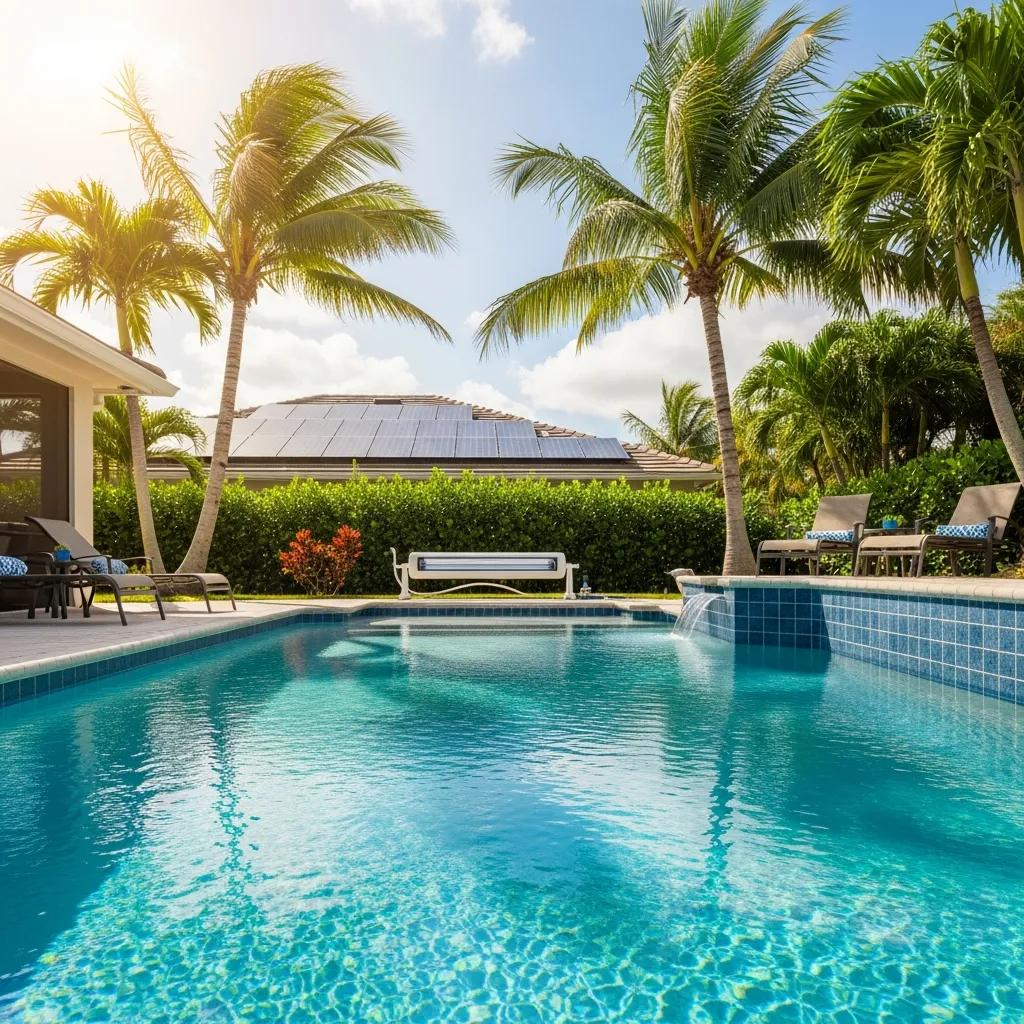
Integrating solar pool heating systems can significantly improve the efficiency of pool filtration systems. The combination of heating and filtration creates a synergistic effect that benefits overall pool maintenance and enjoyment.
What Are the Benefits of Combining Solar Heating with Filtration?
Improved Water Circulation: Solar heating systems often enhance water circulation, which can aid in better filtration. Increased circulation helps distribute chemicals evenly and prevents stagnant areas where algae can grow.
Enhanced Filtration Efficiency: Warmer water can improve the effectiveness of certain filtration methods, leading to clearer water. Heat accelerates chemical reactions and biological processes that help keep the pool clean.
Stable Water Temperatures: Maintaining consistent water temperatures can reduce the growth of algae and other contaminants. This stability supports a healthier swimming environment and reduces maintenance needs.
These benefits highlight the synergy between solar heating and filtration systems, making it a worthwhile investment for pool owners. Combining these technologies can lead to a more enjoyable and low-maintenance pool experience.
How to Optimize Filtration Systems with Solar Pool Equipment
To maximize the benefits of solar heating in your pool filtration system, consider these tips that ensure both systems work efficiently together.
Proper Panel Placement: Ensure solar panels are positioned for maximum sun exposure. Optimal placement increases heating efficiency and supports consistent water temperature.
Regular Maintenance: Keep solar equipment clean and well-maintained to ensure optimal performance. Dirt and debris on panels can reduce heat absorption and system effectiveness.
Flow Rate Adjustments: Adjust the flow rate to match the heating system's capacity for better efficiency. Proper flow ensures water is heated evenly and filtration is not compromised.
By following these guidelines, homeowners can enhance both heating and filtration efficiency, leading to a more enjoyable swimming experience. Proper integration of these systems maximizes energy savings and water quality.
When Should You Repair or Replace Your Pool Filtration System?
Knowing when to repair or replace your pool filtration system is crucial for maintaining water clarity and safety. Timely decisions can prevent further damage and ensure your pool remains a healthy environment.
What Are Signs Your Filter Needs Repair or Replacement?
Common indicators that your filtration system may need attention include:
Cloudy Water: Persistent cloudiness can indicate inadequate filtration. If cleaning and maintenance do not improve water clarity, it may be time to inspect the system for faults.
Unusual Sounds: Strange noises from the pump may signal mechanical issues. Early detection of these sounds can prevent pump failure and costly repairs.
Reduced Water Flow: A significant drop in water flow can suggest clogs or mechanical failure. This affects filtration efficiency and can lead to poor water quality.
Recognizing these signs early can prevent more extensive damage and costly repairs. Regular inspections and prompt action help maintain your pool’s health and safety.
How to Choose Professional Pool Filtration Repair Services
When selecting a professional for pool filtration repairs, consider the following criteria to ensure you receive quality service and value.
Experience and Reputation: Look for companies with a proven track record in pool maintenance. Experienced professionals are more likely to diagnose and fix issues correctly the first time.
Transparent Pricing: Ensure that pricing is clear and upfront to avoid unexpected costs. A reputable company will provide detailed estimates and explain the scope of work.
Post-Service Support: Choose a service provider that offers follow-up support and maintenance options. Ongoing support helps keep your filtration system in optimal condition after repairs.
By carefully selecting a repair service, homeowners can ensure their filtration systems are in capable hands, leading to better long-term performance. Reliable service providers contribute to the longevity and efficiency of your pool equipment.
Ready to Enhance Your Pool’s Filtration System?
Contact ClearWater Pool Solutions today to schedule a consultation and discover the best filtration options tailored to your pool’s needs. Our expert team is here to help you maintain crystal-clear water all year round with professional advice, maintenance, and repair services.
Not only did Jesse fix our problem inside of 30 minutes he took the time to review preventive measures with me. A real pro!
Fred K.
Jesse did a great job diagnosing and fixing my solar heat problem. He was professional and courteous. Glad we’re up and running again!
Jane H.
The technician you sent out to us, Jesse, was extremely polite and was able to plug the solar panels that were leaking. He is an asset to your company.
Joy E.
Service was outstanding. They actually moved up my appointment. On time, and extremely professional. I highly recommend them for any of their services
Curtis C.
Cody was great. Efficient and timely. However I cannot rate the efficacy of the work done until some time passes with the system running again.
CB
Cody the installer was polite and professional. Installation went well. System is functioning properly now.
John M.
Theo was very professional and did an excellent job installing pool solar panels on my roof . Highly recommend!
Thomas B.
Did a great job, replacing leaking o-rings on the valve. offered some advise since I am new to solar heating. advised me and answered all my questions.
Larry L.
The gentleman who removed my solar panels was prompt and courteous. The company was clear about services offered and the terms of the agreement.
Improve your pool filtration systems with expert tips that enhance efficiency. Learn strategies to maintain crystal-clear water and prolong equipment life.